
Waste heat: how data centers are becoming district heating plants
All the electricity a data center uses ends up as heat. Today in France, almost all of that heat is released into the air. A new obligation and the arrival of liquid cooling could turn it into a resource for heating homes, swimming pools or greenhouses.
Contents
Heat, an unavoidable by-product
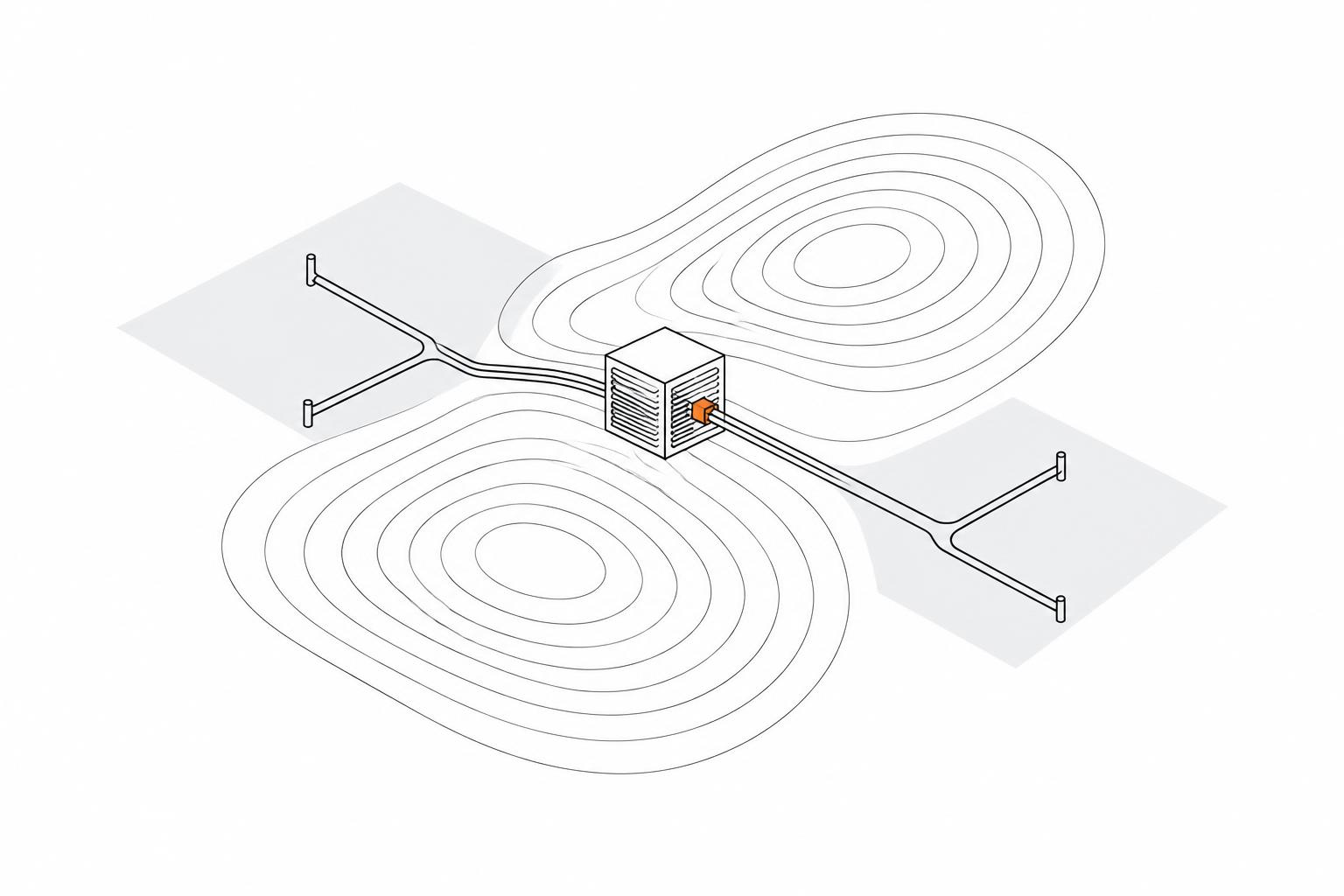
A server turns almost all of its electricity into heat. For a 100 MW campus, that is the equivalent of the heating capacity of tens of thousands of homes, available all year round, day and night. This "waste" heat, produced without being sought, is currently removed by chillers and dry coolers.
Opponents of the Fouju AI campus, for example, estimate that the site will produce the equivalent of the heat of 200,000 households. Used well, this heat can instead become an argument in favour of projects.
What the law says
The French law known as DDADUE 5 introduced an obligation for data centers with an installed capacity of at least 1 MW. They must reuse their waste heat, in particular through a heating or cooling network. The obligation is considered met if the energy reuse factor (ERF) reaches at least 0.20. This threshold is meant to rise to 0.40 as technologies and outlets develop.
For data centers whose permit was filed before 1 January 2026 and which do not reuse their heat, the operator must carry out a cost-benefit analysis. Exemptions exist when technical and economic conditions do not allow the threshold to be reached, conditions that the government has yet to specify.
The European framework points the same way with the Energy Efficiency Directive, and France's energy plan aims to multiply by seven the recovered heat delivered into networks between 2022 and 2035.
Why so little heat is recovered today
Three obstacles explain the gap between potential and reality.
Temperature. In an air-cooled data center, water leaves at around 30 °C, too cold for a conventional district heating network. Heat pumps are then needed to raise the temperature, which costs energy and investment. With liquid cooling, heat can leave at around 60 °C, which changes the picture (see Liquid cooling, immersion: the innovations changing how data centers are built).
Location. Many data centers were built far from heat networks. In Seine-Saint-Denis, for example, many sites are not located close to existing networks. Building a new network is expensive, and municipalities do not always have the means.
Mismatched demand. A data center produces heat continuously, whereas heating needs vary with the seasons. Complementary uses (domestic hot water, swimming pools, greenhouses, industry) or thermal storage are therefore needed.
Examples that show the way
In Saint-Denis, an Equinix data center reuses part of its heat, notably to heat a swimming pool. In Stockholm, heat recovered from data centers supplies the equivalent of 10,000 homes through district heating. The Nordic countries, though colder, recover more because their heat networks are highly developed and data centers connect to them from the design stage.
Support exists in France: energy savings certificates (standard sheet RES-CH-108) can fund the recovery of waste heat into a heat network or a third-party site.
What this changes for projects
Heat reuse is not added at the end of a project. It is decided when the site is chosen and during design: cooling technology, temperature level, location of the heat exchangers, routing to users, agreement with a heat network operator. It is an engineering subject at the crossroads of building services, energy and urban planning.
Frequently asked questions
What is a data center's waste heat?
It is the heat produced by the servers, which turn almost all of their electricity into heat. It is removed by the cooling system and can be reused to heat buildings, water or industrial processes.
Are data centers required to recover their heat?
Yes, those with an installed capacity of at least 1 MW. They must reach an energy reuse factor of at least 0.20, or show through a cost-benefit analysis that this is not feasible under acceptable technical and economic conditions.
How many homes can a data center heat?
It depends on its capacity, the temperature of the recovered heat and how close it is to a network. As an order of magnitude, the Île-de-France environmental authority estimates that the data centers authorised in the region over four years could have heated at least one million homes.
Sources
- Weblex, waste heat reuse obligation (in French)
- Reporterre, data centers and wasted heat (in French)
- Next, reuse rates in France and Europe (in French)
- French National Assembly, 2026 budget bill amendment on waste heat (in French)
- Banque des Territoires, potential estimated by Ademe (in French)
- Selectra, energy savings certificates and waste heat (in French)
Read also
Liquid cooling, immersion: the innovations changing how data centers are built
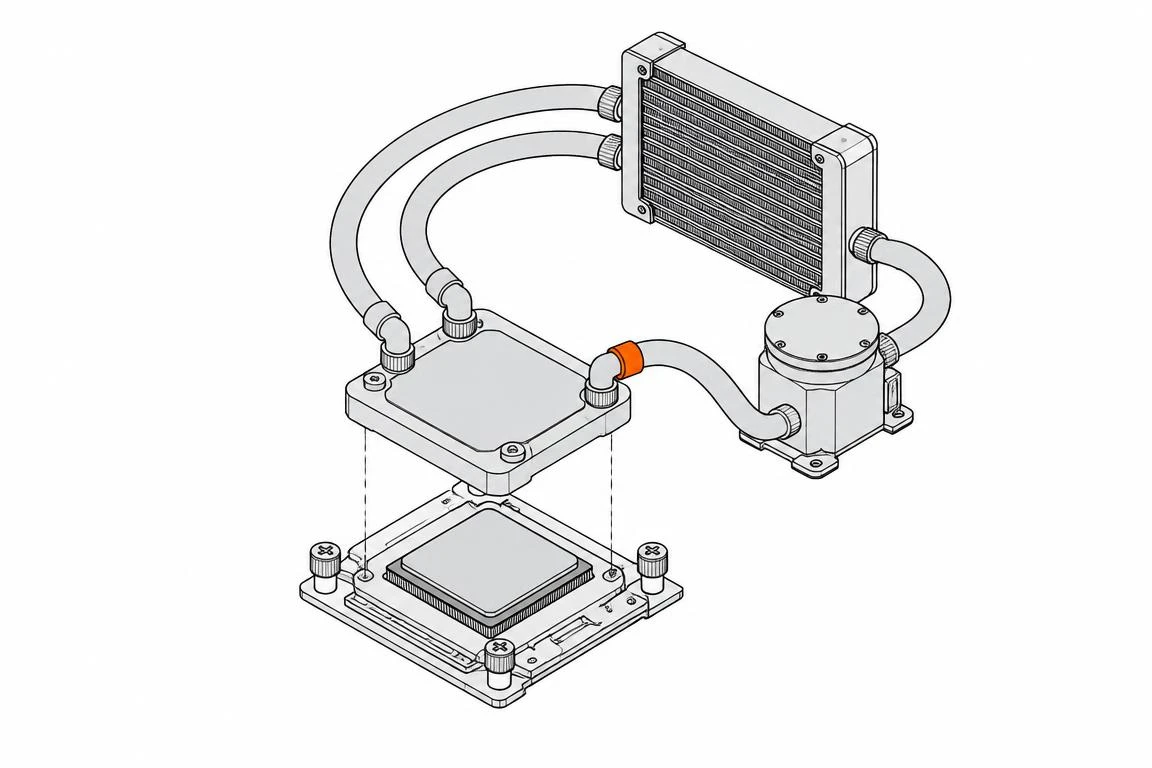
For decades, cooling a data center meant blowing cold air down aisles of servers. With AI, this model is reaching its limits: a single GPU rack now gives off as much heat as an entire room did fifteen years ago. Liquid is taking over, and the whole design of the buildings is changing.
Read the article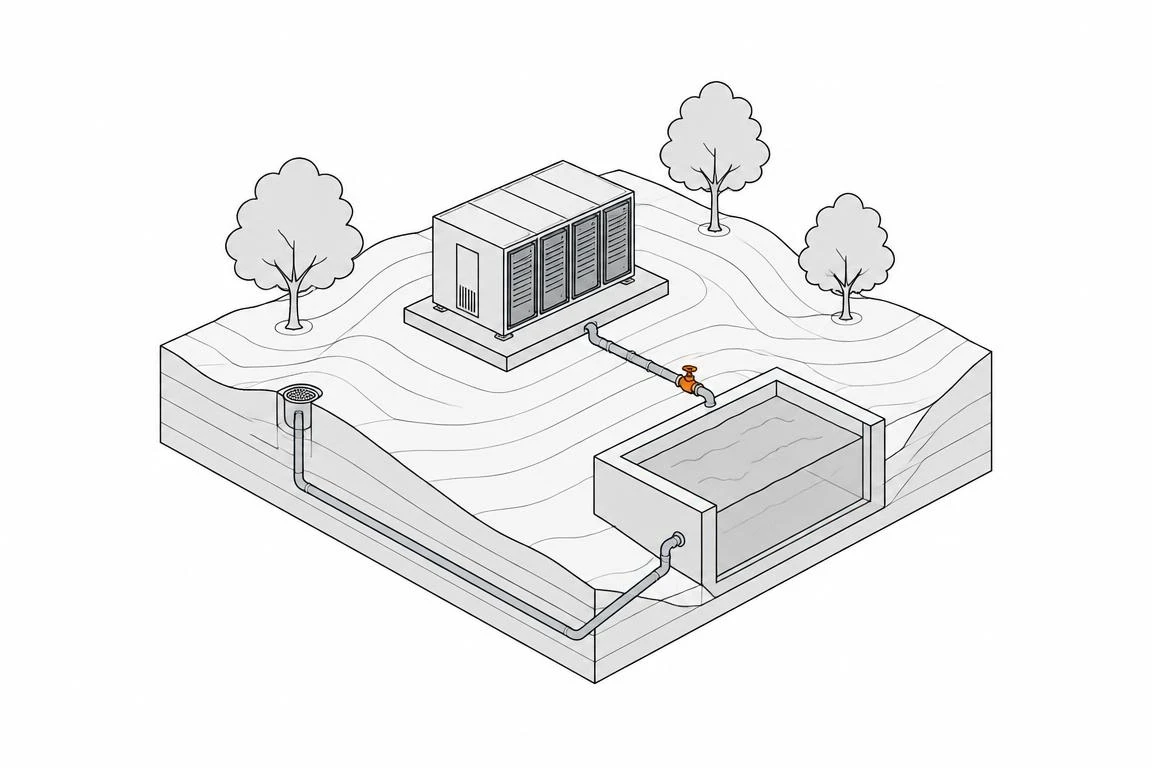
Data centers and the environment: water, land and local acceptance
As projects grow, opposition is spreading. Farmland, water, rejected heat, electricity, local benefits: data centers have become a subject of public debate in France, as in the United States. Understanding these criticisms is now essential for a project to succeed.
Read the article
Public policy: what the State and the regions are doing to attract data centers
Hosting data centers has become a stated priority of the French State, in the name of digital sovereignty and the AI race. Ready-to-use sites, accelerated grid connection, project of major national interest status, nuclear electricity contracts: here are the levers used, and the debates they spark.
Read the article