
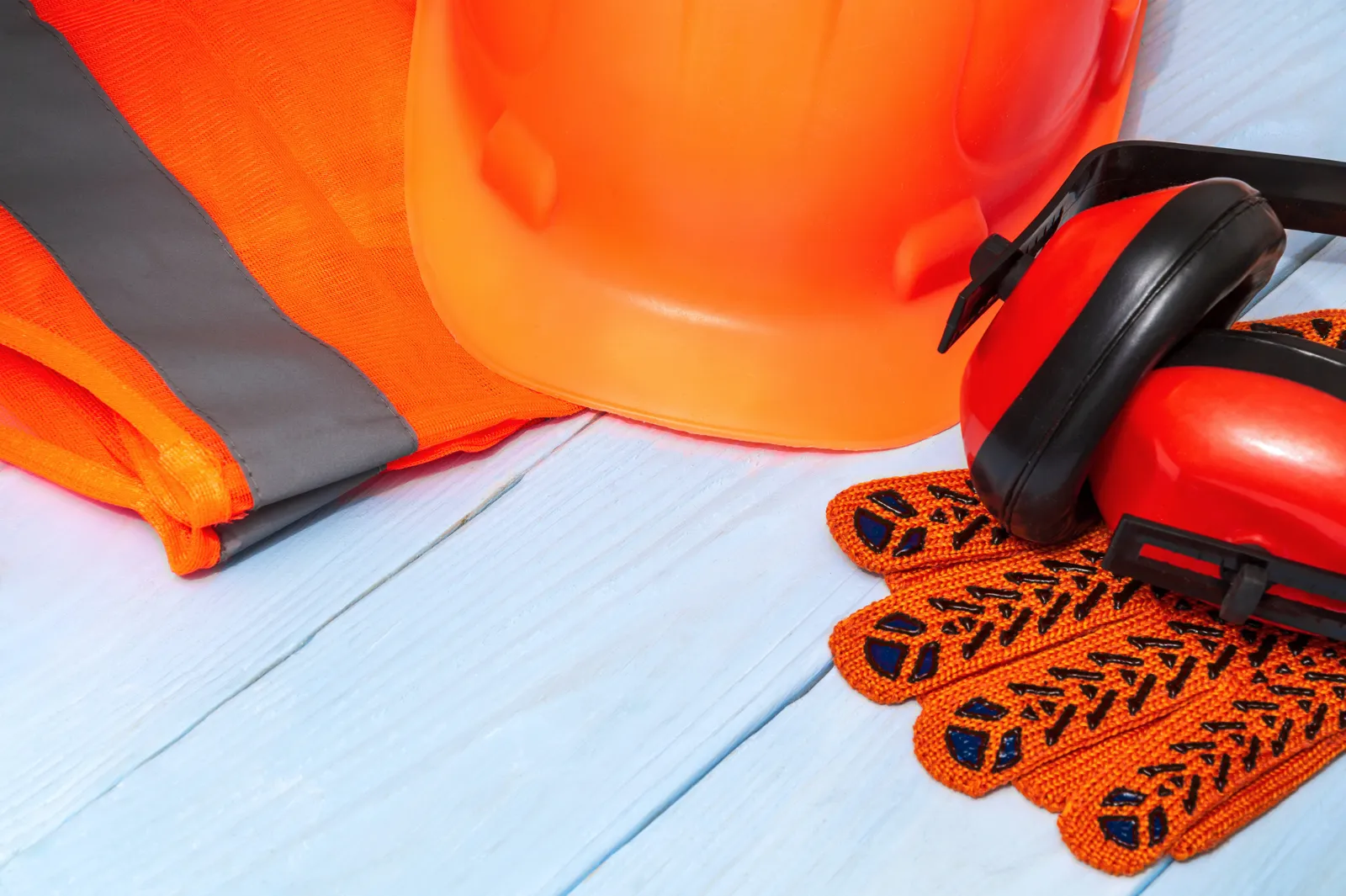
High Protection: the 8 essential pieces of protective equipment on a construction site
Hard hat, shoes, vest… We put them on every morning without thinking. Yet behind every piece of personal protective equipment (PPE) lie years of engineering and precise standards, designed for a single purpose: that everyone goes home at night. In this special issue, we present the eight essential pieces as a collection, with their function, their variants and the standards to know.
When safety becomes a way of working
For a long time, personal protective equipment was seen as a mere regulatory obligation. Yet behind every hard hat, every pair of shoes and every fluorescent vest lies an innovation designed to protect thousands of professionals every day.
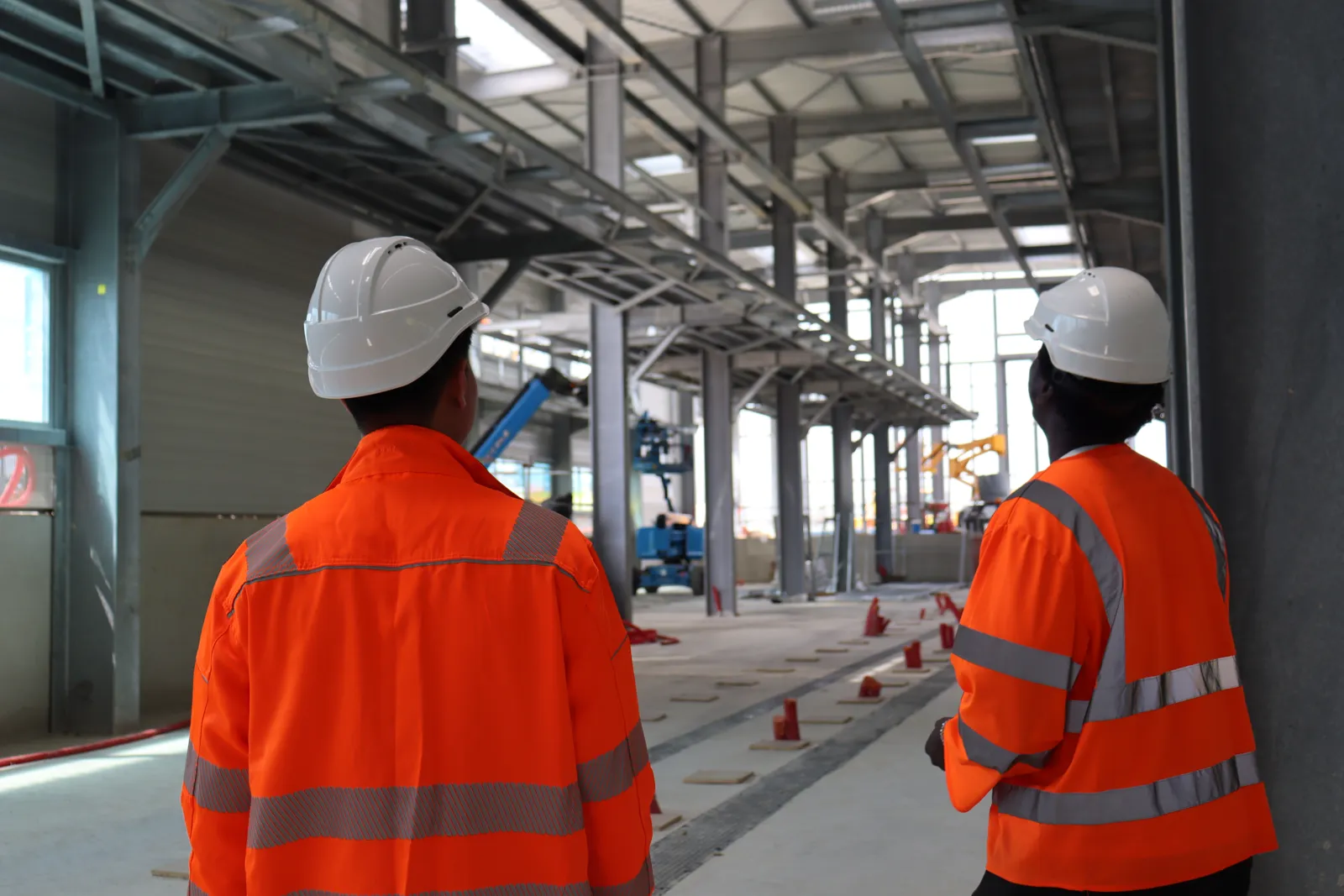
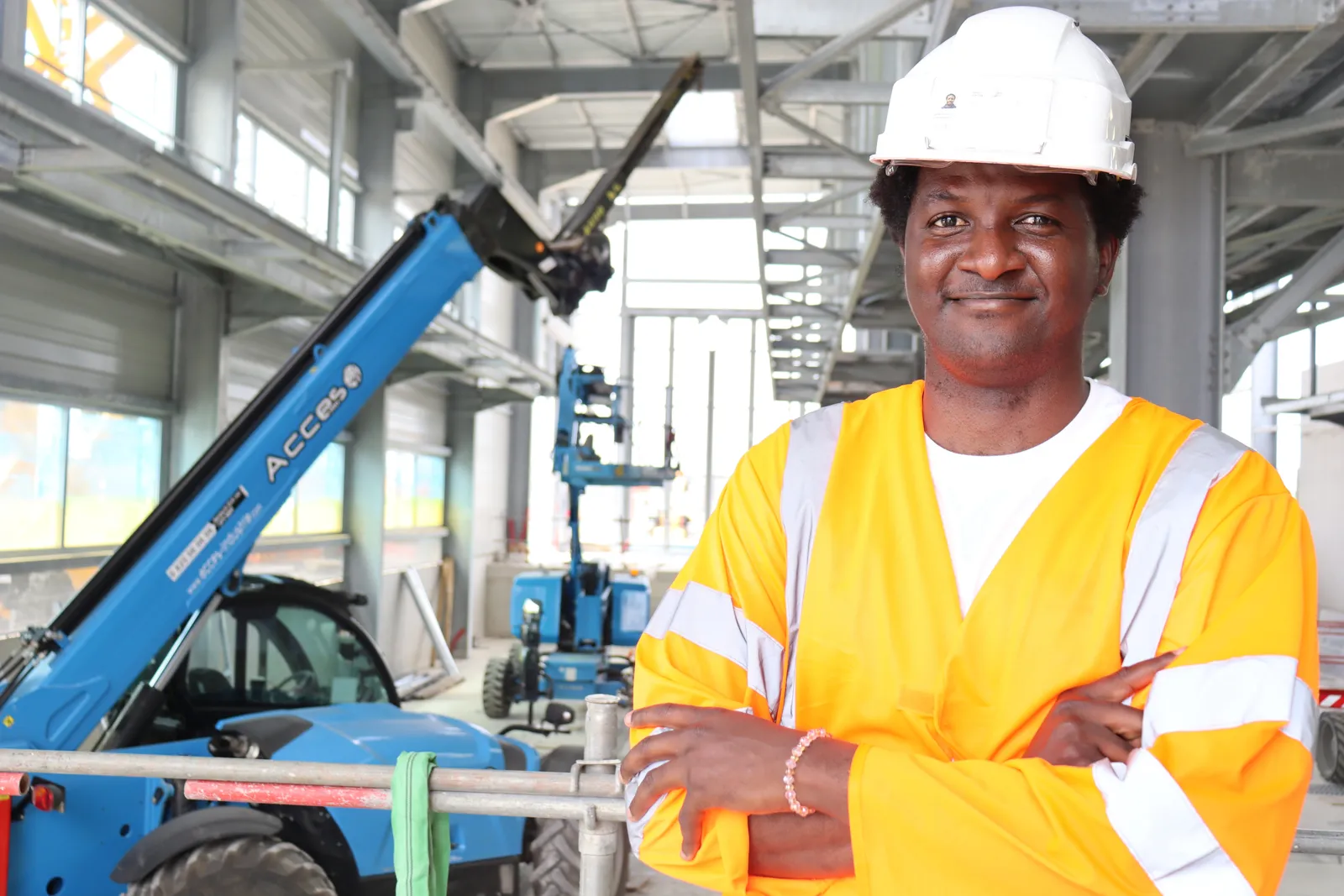
At Miles Group, our engineers spend much of their time on construction sites: data centers, metro lines, industrial sites, power plants. PPE is part of their daily life. In this issue, we have chosen to present it differently: as the essentials of a professional wardrobe, where every piece has a vital function.
Because the finest equipment is still the one that gets you home safely.
A reminder before we start. The French Labour Code sets a clear logic: remove the risk where possible, reduce it at source, favour collective protection, and only then equip each person. PPE never replaces a guardrail, a net or a properly guarded machine: it protects when the risk could not be eliminated. And it is up to the employer to provide suitable PPE free of charge and to make sure it is properly worn.
Contents
The hard hat
The essential
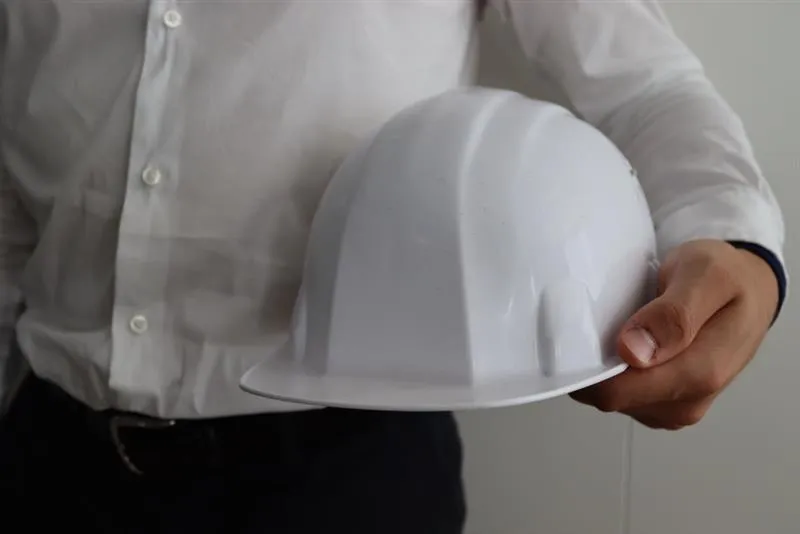
Domed silhouette, high-strength shell and adjustable harness: the hard hat sets the line of the safety look.
What it is for
The hard hat absorbs and spreads the energy of an impact to protect the skull: falling objects, knocks against a structure, flying debris. The rigid shell and the inner cradle turn a point impact into diffuse, bearable pressure. On a site where people work at height above others, even a small falling tool can become dangerous.
On site
Variations
With chin strap: mandatory whenever there is a risk of losing the hat, particularly when working at height, on scaffolding or on a lifeline.
Ventilated: more comfortable outdoors, but ruled out whenever there is a risk of liquid splashes, hot particles or electrical contact.
Electrically insulating: hard hats for work near live parts meet standard EN 50365.
Colour code
: often used to distinguish roles on a site (visitor, team leader, electrician). It is a company convention, not a standard.
Normes : ✓ EN 397 · ✓ EN 50365 (electrical insulation) · chin strap, wheel ratchet adjustment, visor compatibility depending on the model
The safety shoes
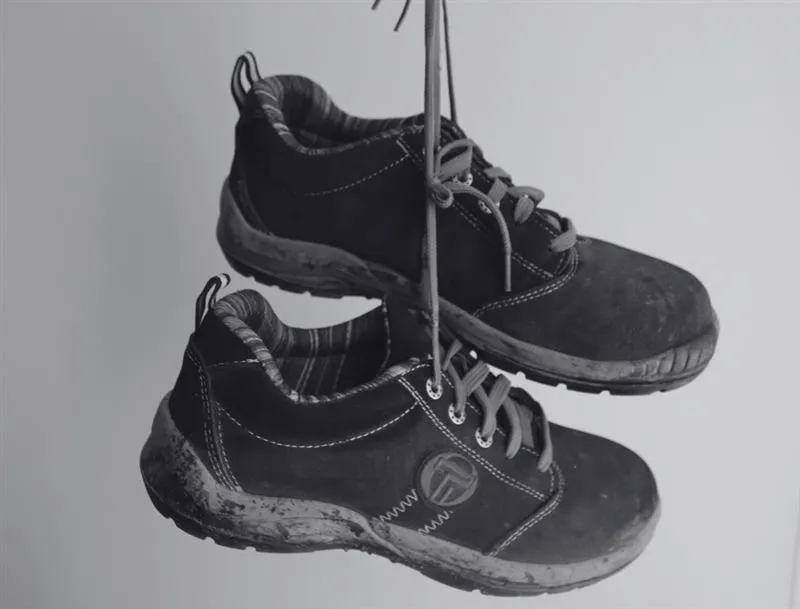
We look up for danger. It is often under our feet.
What it is for
Safety shoes protect the foot against crushing (reinforced toecap), penetration (penetration-resistant sole), slipping (slip-resistant sole) and, depending on the model, water, chemicals or heat. On a construction site, the ground is rarely flat, clean or dry: the feet carry the whole body weight and remain exposed to falling objects and unstable ground.
On site
Variations
S1 / S1P: dry environment, indoor floors. The P adds a penetration-resistant sole.
S2: adds resistance to water penetration, for damp floors and moderate outdoor use.
S3: the site standard, with toecap, penetration resistance and a cleated sole for uneven ground.
S6 and S7: introduced by the 2022 version of standard EN ISO 20345, they strengthen the waterproofing requirements.
High or low: the high upper supports the ankle on rough ground or on a ladder; the low version favours mobility.
The safety glasses
The finest detail of the collection, and the most irreplaceable.
What it is for
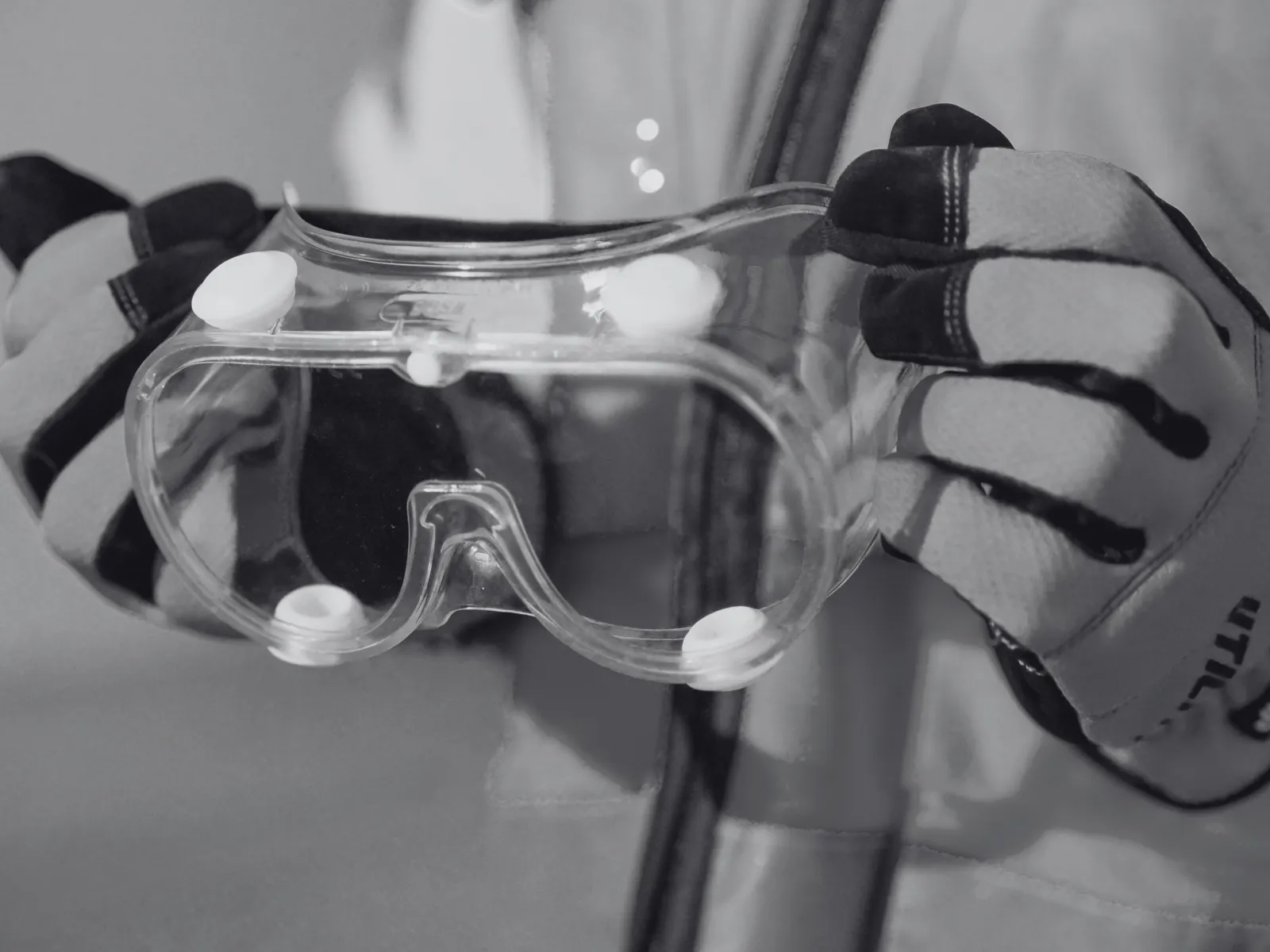
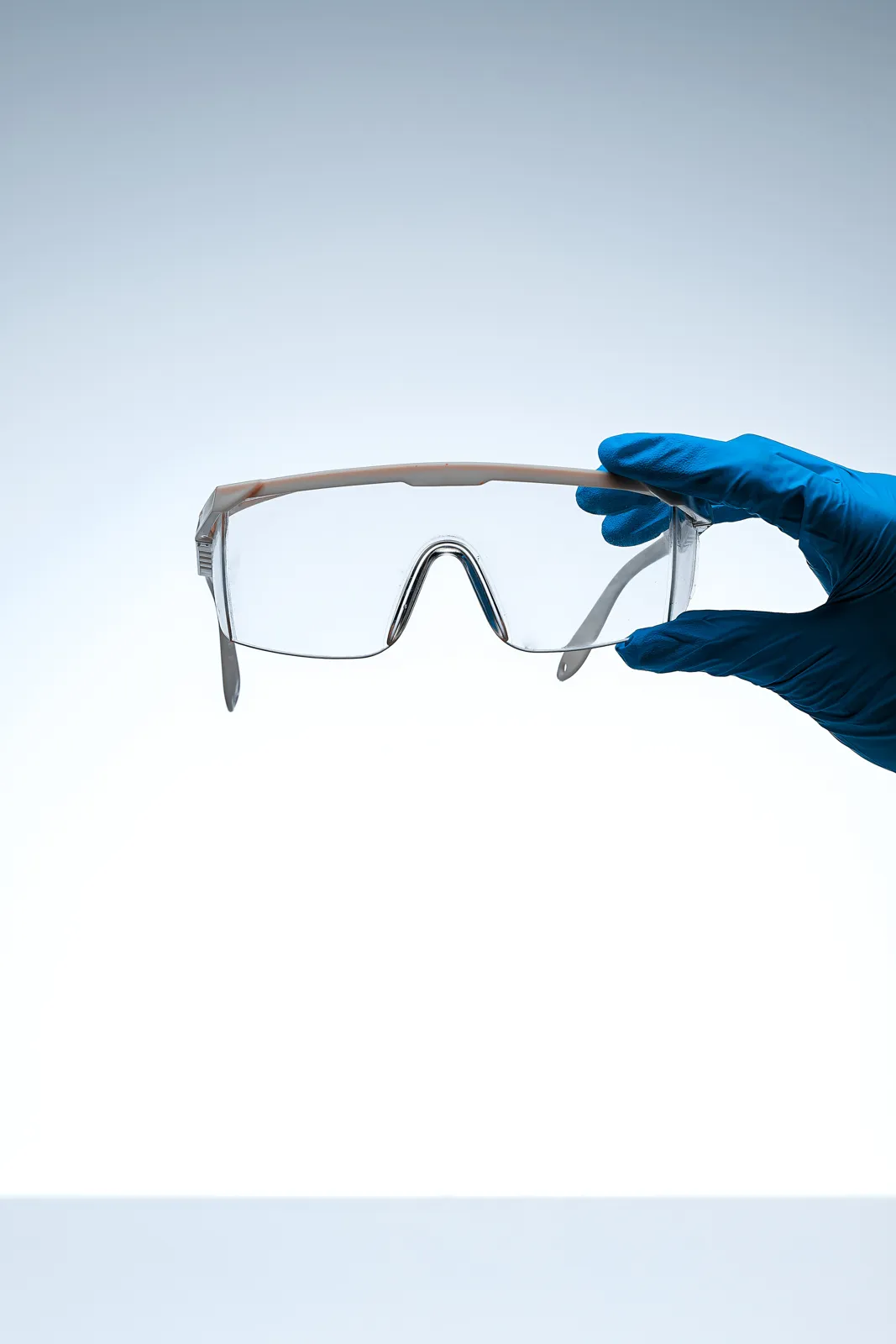
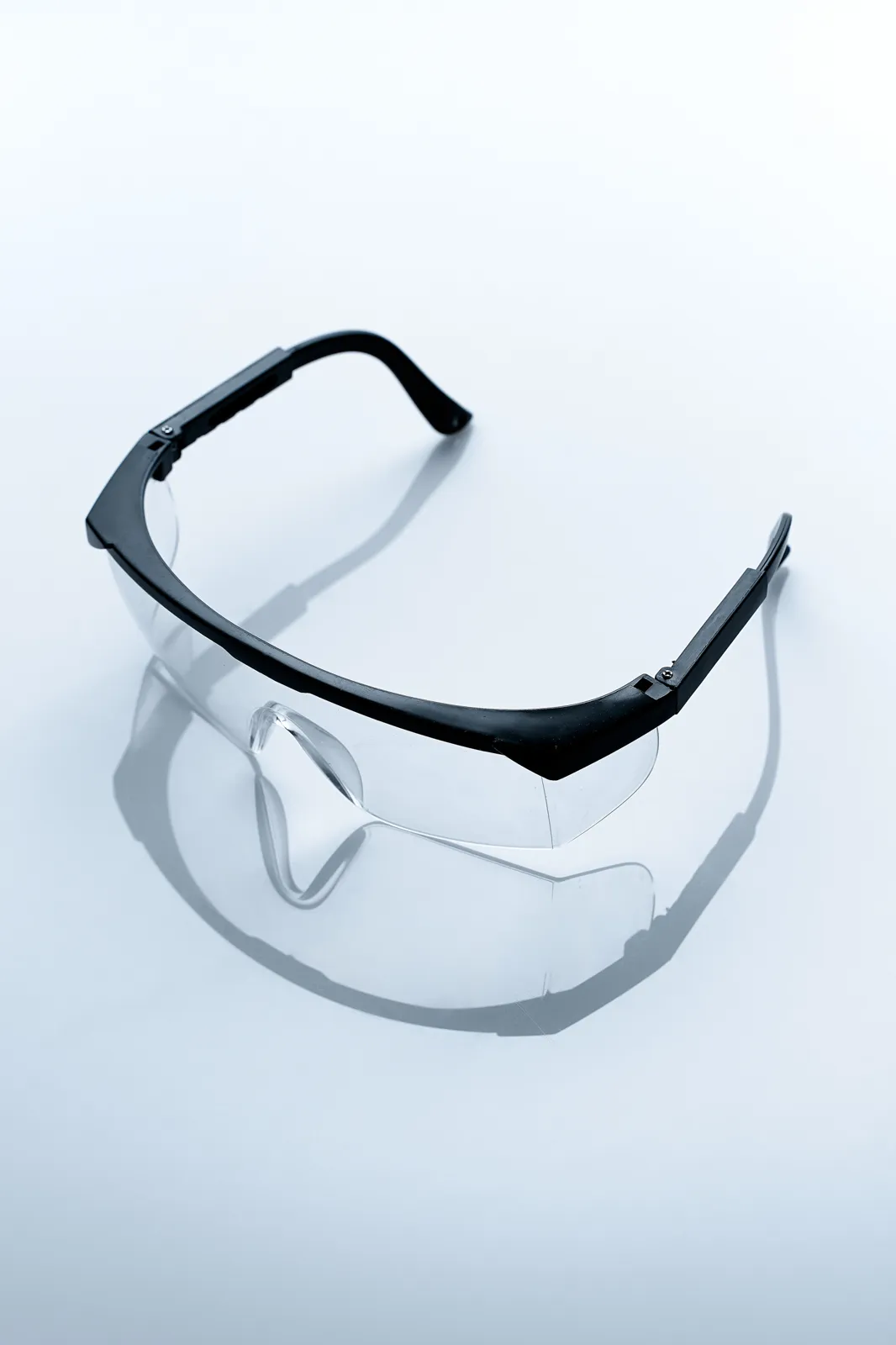
Safety glasses protect the eye against flying particles, chips, liquids or radiation. A particle thrown at high speed during grinding, drilling or cutting can reach the eye in a fraction of a second, well before the blink reflex has time to act, and some injuries are irreversible.
On site
Variations
Spectacles: lightweight, for moderate frontal projections, such as drilling or simple cutting.
Goggles: sealed all round, against fine dust and liquids, for chemistry or intensive sanding.
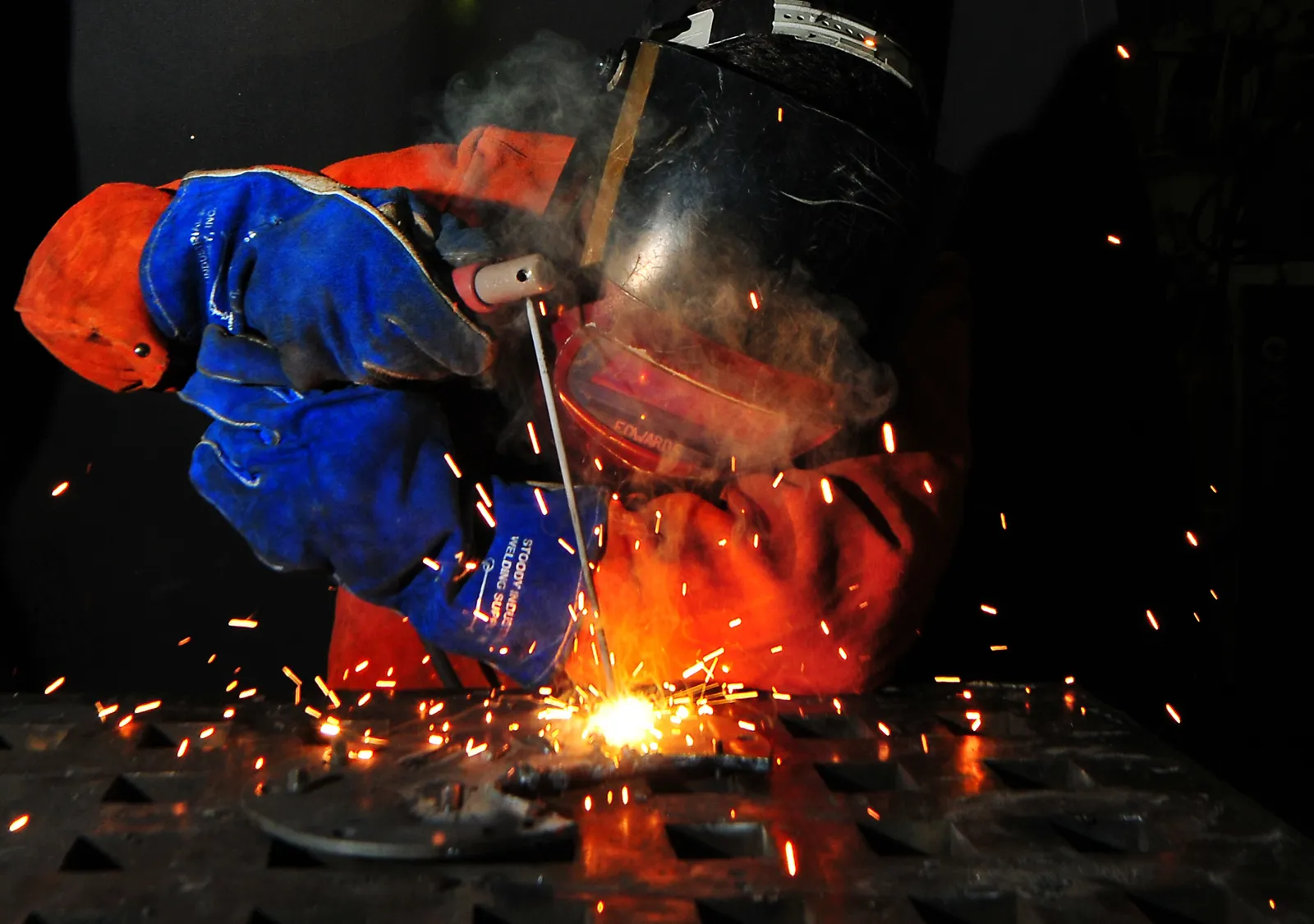
Welding tint: they filter the ultraviolet and infrared radiation of the electric arc, with a shade number suited to the intensity.
Face shield: worn over the top for wide projections (grinding, cutting off, chemicals).
The mask
The greatest dangers are often invisible.
What it is for
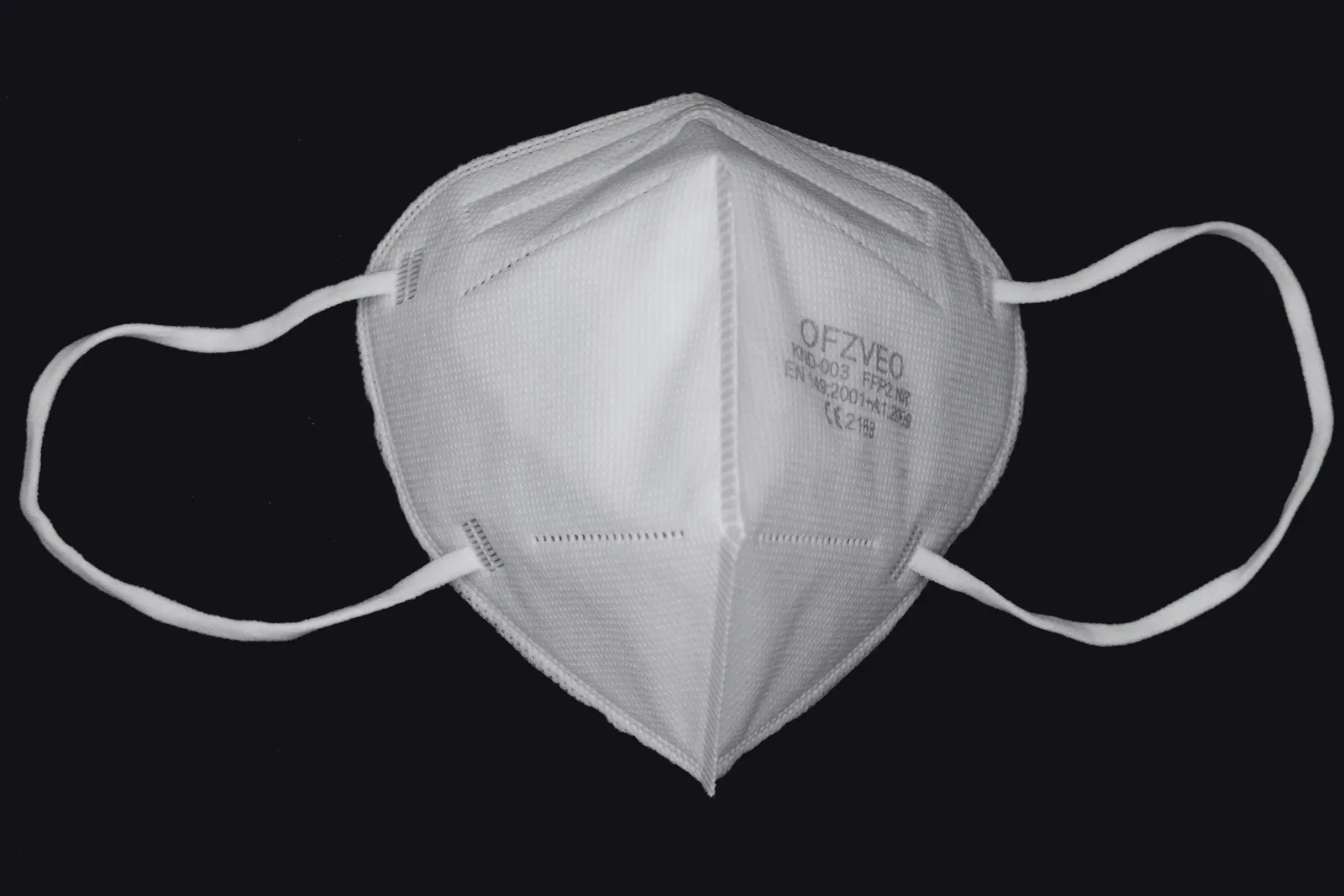
The mask filters the air breathed in to stop dust, particles, vapours or gases before they reach the lungs. Some exposures, such as silica or solvents, cause no immediate discomfort but can lead to respiratory diseases that appear years later. The mask protects against a danger you often do not feel coming.
On site
Variations
FFP1: low-toxicity dust, light sanding.
FFP2: fine particles, such as wood, cement or very dusty environments.
FFP3: the most efficient filtration among disposable masks, for the finest or most toxic particles.
Cartridge mask: reusable mask with interchangeable cartridges depending on the gas or solvent concerned (paint, chemistry).
Note: work exposing people to asbestos is subject to specific regulations. The respiratory protective equipment is chosen according to the measured dust level, and it is often not a simple disposable mask.
Hearing protection
What you can no longer hear, you never get back.
What it is for
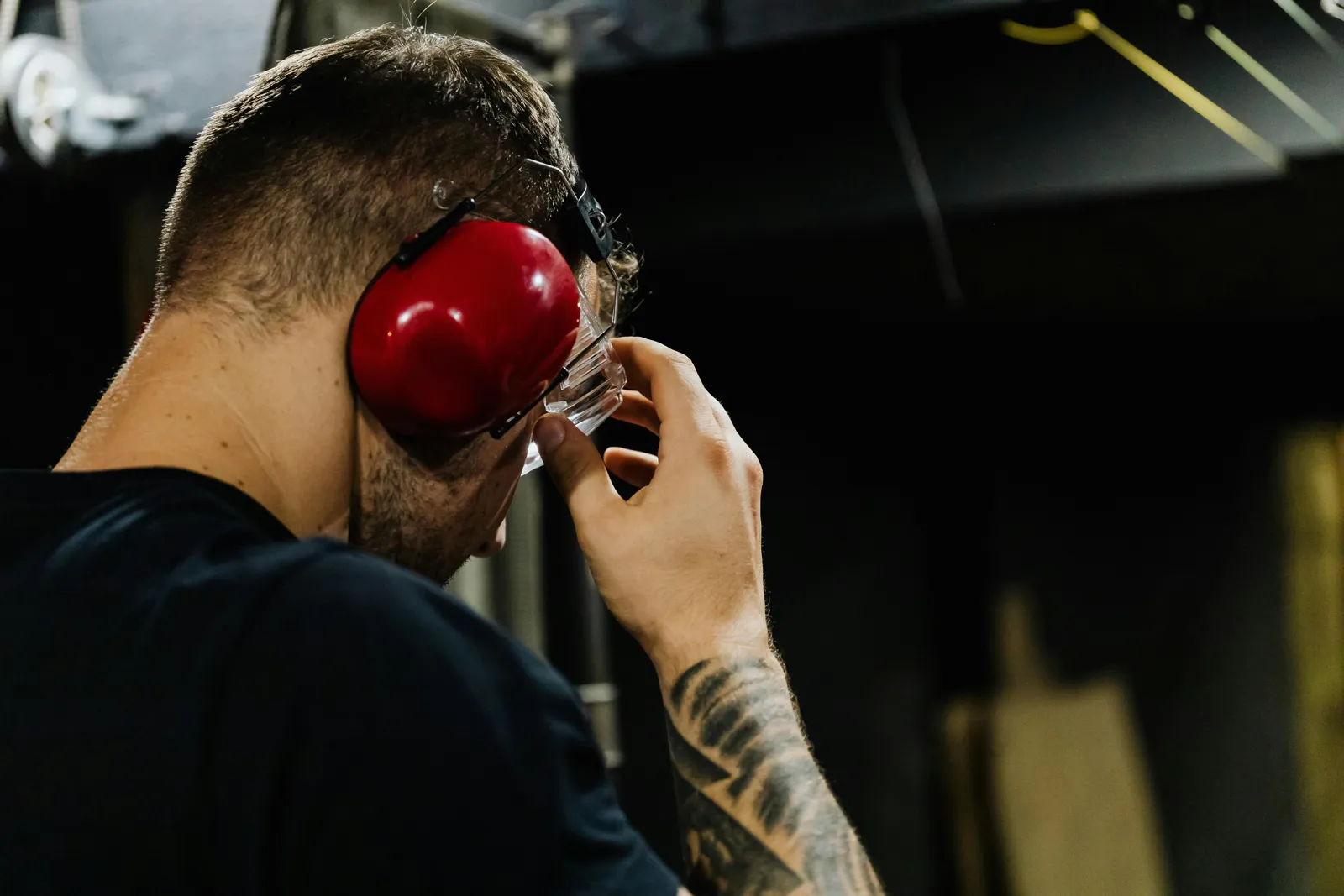
Hearing protection reduces the perceived sound level to preserve hearing. Prolonged exposure to loud noise (jackhammer, saw, blower) gradually destroys the cells of the inner ear, with no pain or warning signal. And the loss is permanent.
Regulations set precise thresholds, measured over an 8-hour day:
- 80 dB(A): the employer makes hearing protection available and informs employees;
- 85 dB(A): they set up a noise reduction programme, mark noisy areas and make sure protection is actually worn;
- 87 dB(A): limit value never to be exceeded, taking into account the protection worn.
On site
Variations
Moulded earplugs: discreet, suited to prolonged wear under a hard hat or glasses.
Disposable earplugs: foam, economical for a brief stay in a noisy area.
Ear defenders: strong, constant attenuation, easy to take off and put back on.
Electronic: cuts sound peaks while letting voices and alarms through, useful in mixed environments.
The gloves
The most used tool of the day is still the hand: it deserves its own armour.
What it is for
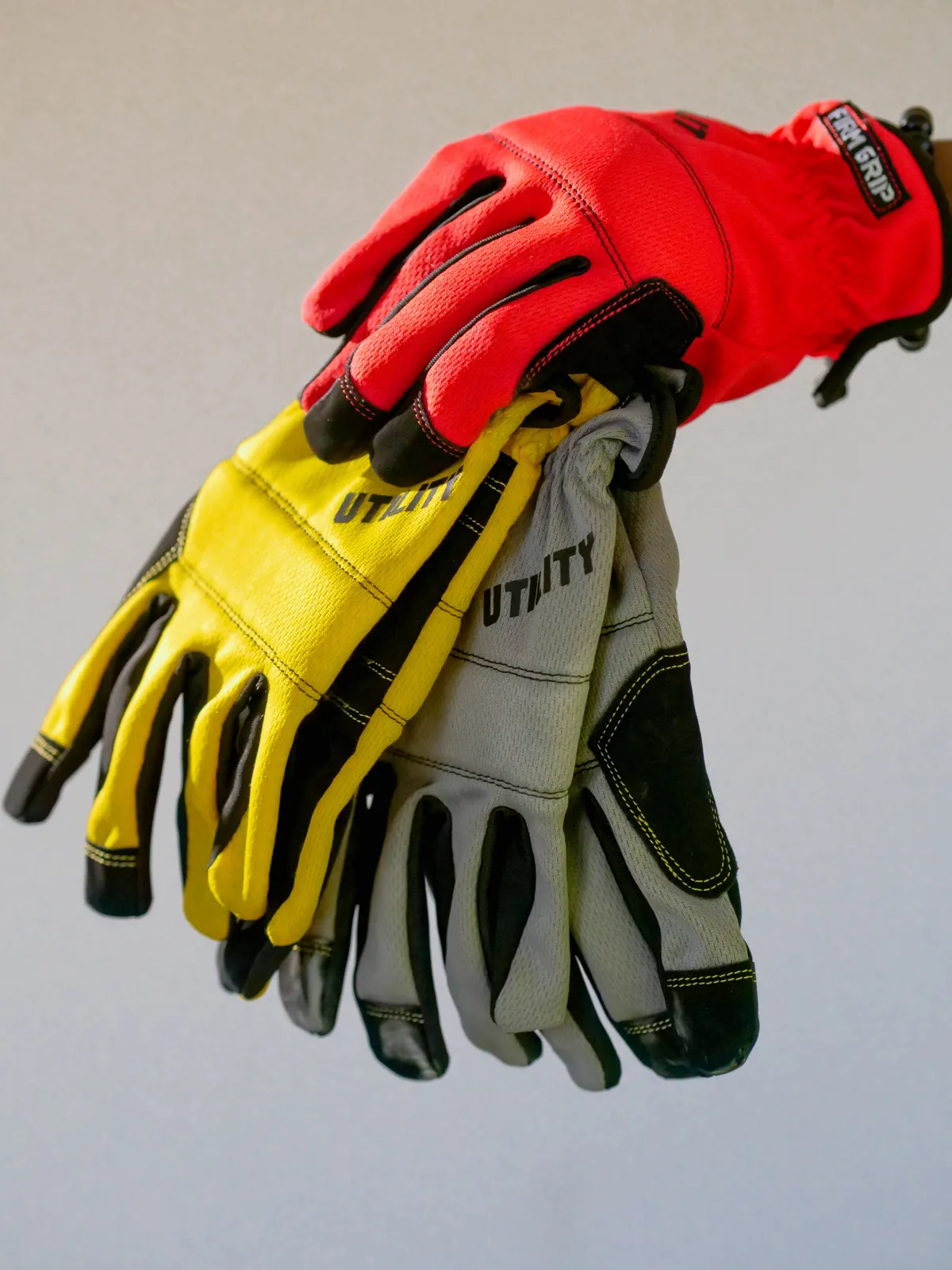
Gloves protect the hands against cuts, abrasion, burns, chemicals or cold. Hands are the most used working tool and one of the most exposed: injuries often happen during quick, repetitive movements, when the withdrawal reflex comes too late.
On site
Variations
Mechanical resistance (EN 388): abrasion, cut, tear and puncture, rated by indices.
Cut-resistant, levels A to F: increasing levels for handling blades, glass or sheet metal.
Chemical (EN 374): resistance to chemicals and micro-organisms, for laboratories or industrial cleaning.
Disposable nitrile: a thin single-use chemical or biological barrier.
Electrically insulating (EN 60903): classified by the voltage they withstand, to be used according to the manufacturer's recommendations, often with a leather over-glove.
The high-visibility vest
Being seen in time.
What it is for
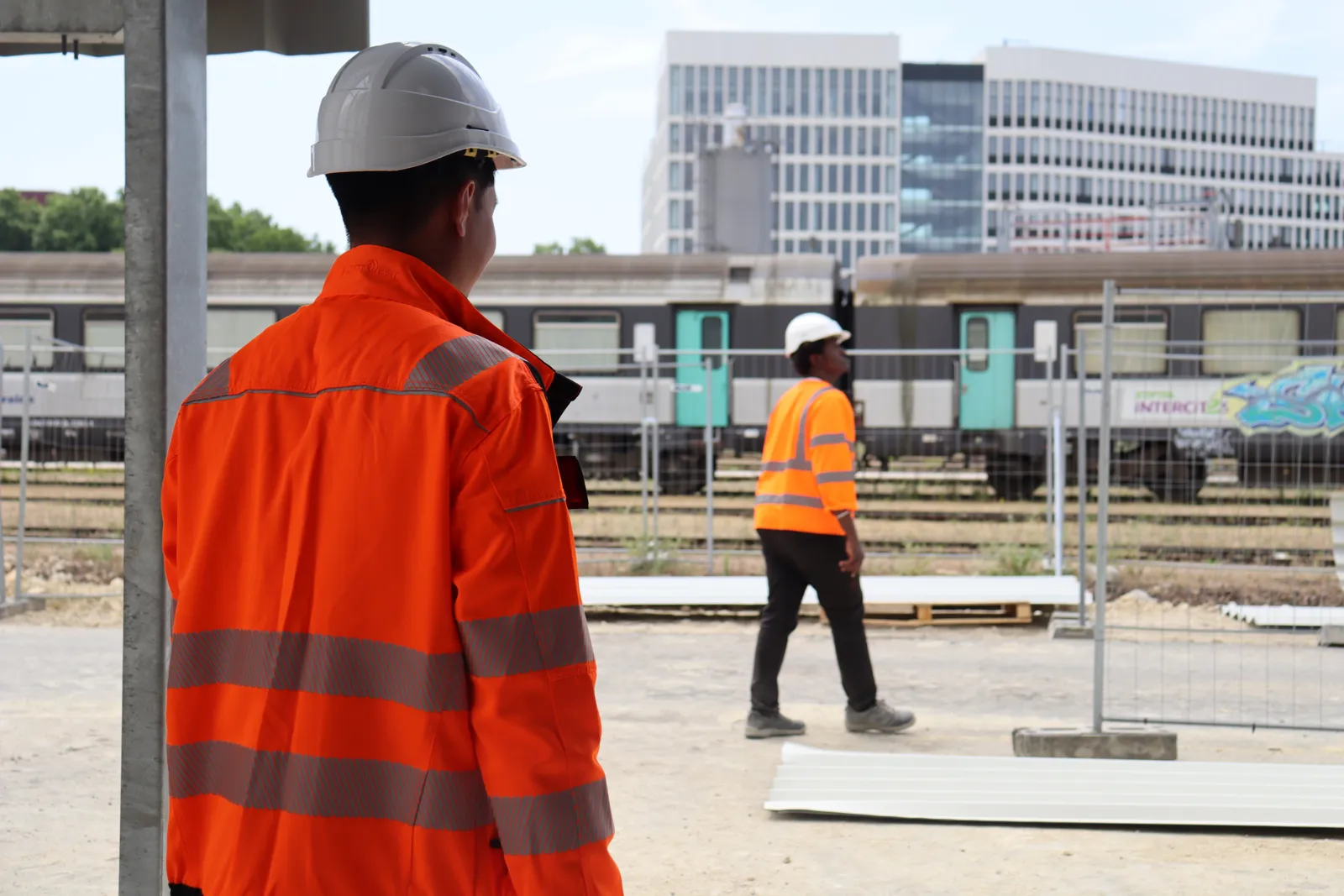
The vest makes its wearer visible by day and by night, to reduce the risk of collision with plant or a vehicle. A driver needs time to spot a figure and react: fluorescent colours catch the eye in full daylight, retroreflective strips return headlight beams in the dark. Two technologies for a single purpose.
On site
Variations
Class 1: minimum visible surface, for areas with little traffic exposure.
Class 2: the most common on sites, a good compromise between visibility and comfort.
Class 3: maximum coverage, sleeves included, for fast traffic, motorways or night work.
Colour code
Vest colours often make it possible to identify roles or teams quickly. There is, however, no universal code: each company sets its own conventions.
Orange: excellent contrast against tarmac, concrete or vegetation; favoured for roadworks and near heavy traffic.
Yellow: the high-visibility classic, the most widespread on construction sites.
Red: instantly spotted, often associated with emergency services and priority interventions.
Blue: a common convention to distinguish management, maintenance or a subcontractor.
Green: sometimes used for prevention, environment, logistics or first aid teams.
Standard EN ISO 20471 guarantees the visibility performance of the garment (fluorescent material, retroreflective strips, classes 1, 2 or 3). The meaning of the colours, however, varies from one company to another.
The fall-arrest harness
The last line of defence.
What it is for
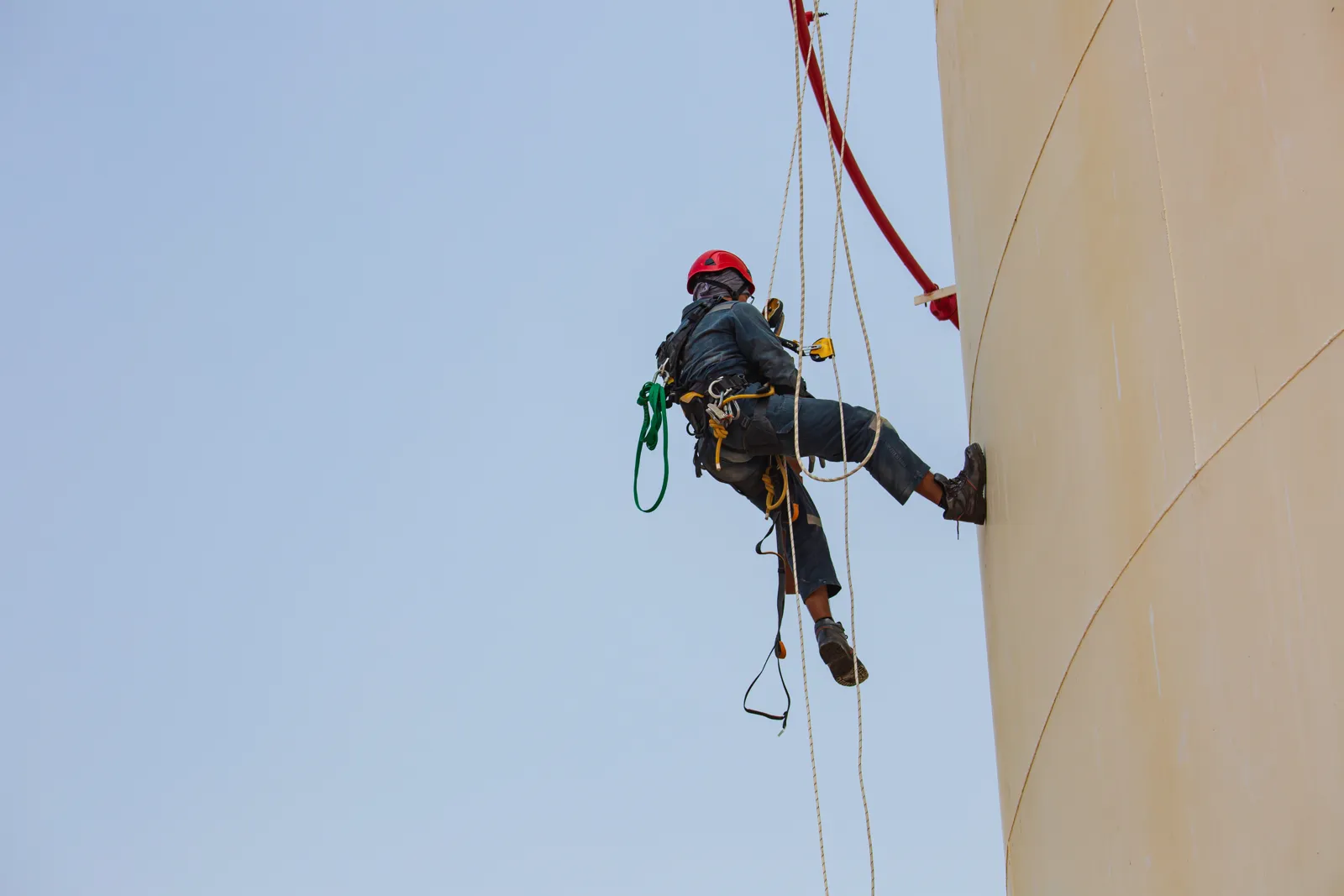
The harness holds the body in a fall from height and spreads the arrest force over the thighs, pelvis and chest rather than on a single point. Falls from height are the second cause of fatal workplace accidents in France, after road risk, and construction is the sector most affected. Here more than anywhere, collective protection (guardrails, nets, platforms) comes first; the harness comes in when collective protection is not possible.
On site
Variations
Work positioning belt (EN 358): to hold a working position, never to arrest a fall.
Full-body harness (EN 361): dorsal and sternal attachment points; the only equipment designed for fall arrest.
Lanyard with energy absorber (EN 355): a strap that tears in a controlled way to dissipate the energy of the fall and limit deceleration.
Self-retracting lifeline: locks instantly in a fall while allowing normal freedom of movement, ideal on façades or roofs.
Anchor point: a harness is only as good as its anchor (fixed structure, horizontal or vertical lifeline), always checked before use.
Working with a fall-arrest system requires training and a rescue plan: a person suspended in their harness must be able to be rescued quickly.
Eight pieces, none optional
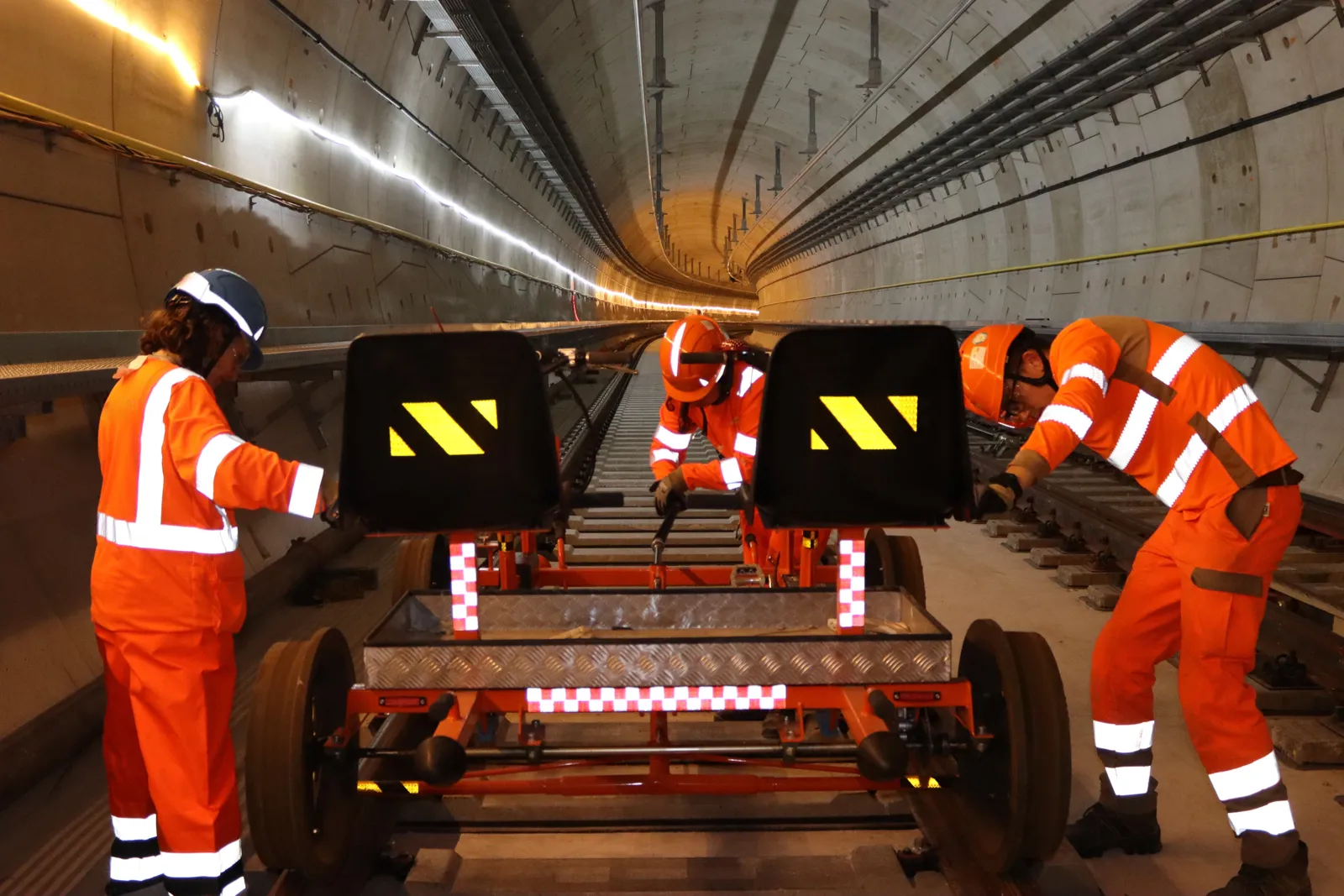
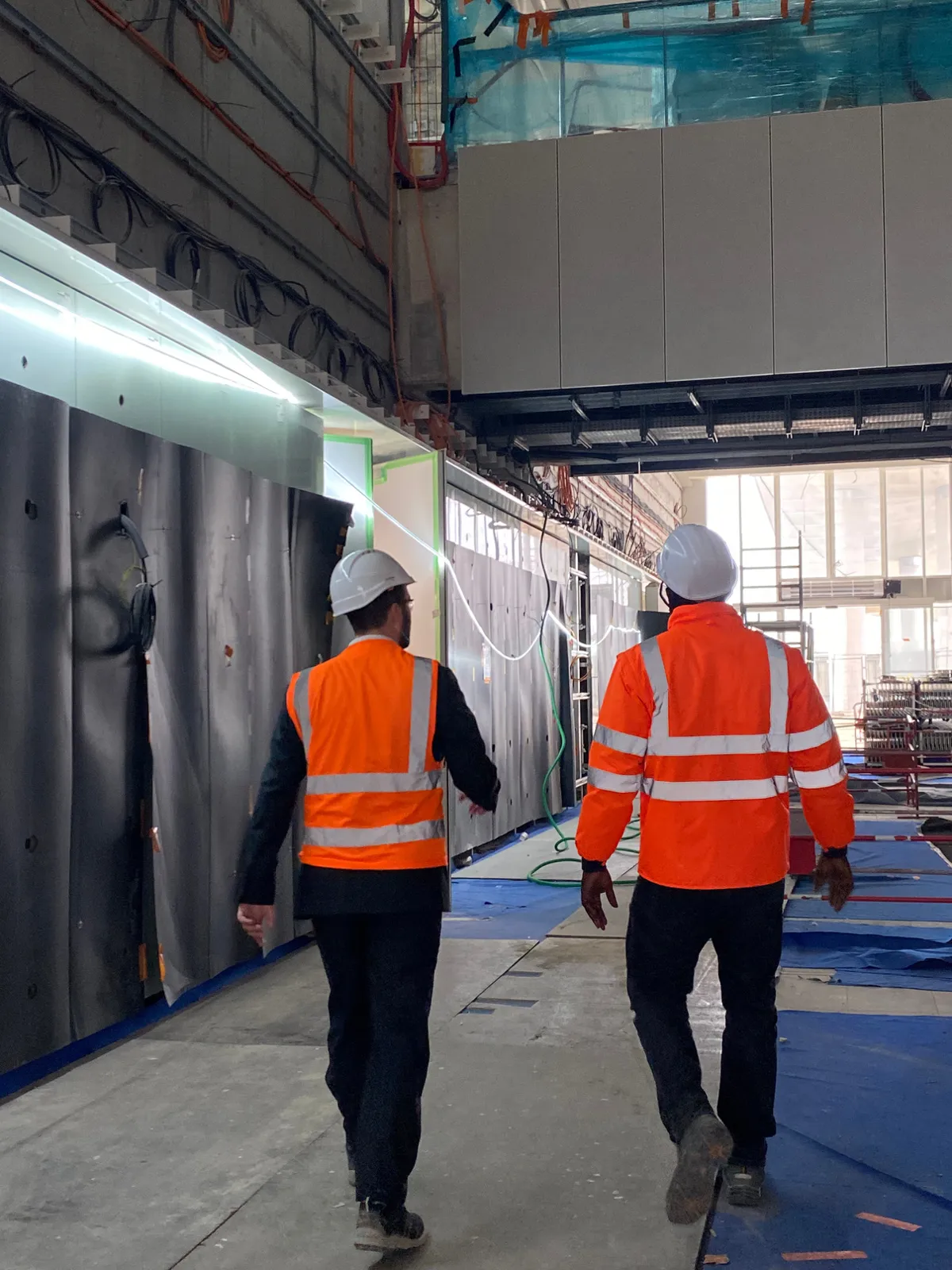
A collection is only worth something if it is worn in full. A hard hat without safety shoes, a harness without a checked anchor point, earplugs worn one hour out of eight: protection only exists if it is complete and suitable.
The right PPE is always the one that matches the real risk of the job. Before every intervention, three reflexes: the right equipment for the right risk, equipment in good condition and the right size, and a marking that complies with the standard.
Check yours before you leave the changing room.
At Miles Group, our site engineers, project managers and HSE engineers work every day on demanding sites: data centers, transport infrastructure, industrial and energy sites. Safety culture is part of what we bring to our clients, just like technical expertise.
FAQ
Which PPE is mandatory on a construction site?
There is no single list valid for all sites: PPE depends on the risks identified by the employer. On most construction sites, the hard hat, safety shoes and high-visibility vest are the basics, supplemented depending on the task by goggles, gloves, hearing protection, a mask or a harness.
Who must provide PPE?
The employer. Under French law, they must provide PPE suited to the risks free of charge, make sure it is in good condition, maintained and actually used, and train employees to wear it.
What is the difference between S1P, S2 and S3 shoes?
S1P shoes protect against crushing and penetration in dry environments. S2 adds resistance to water penetration. S3 combines toecap, penetration-resistant sole, water resistance and a cleated sole: it is the standard for outdoor sites.
From what noise level is hearing protection needed?
From 80 dB(A) over an 8-hour day, the employer must make protection available. From 85 dB(A), they must make sure it is actually worn. The limit value is 87 dB(A), taking the protection into account.
Is a harness enough for working at height?
No. Collective protection comes first (guardrails, nets, platforms). The full-body harness only comes in when collective protection is impossible, and always with a checked anchor point, training and a rescue plan.